

The age of athletic individualism is here. Somewhere between NIL deals and social media followers, we've watched the north star that guided generations of athletes begin to flicker.
For decades, athletes lived by an unspoken code: you are part of something bigger than yourself. The individual dissolved into the collective. Your personal stats mattered less than the team performance. Your sacrifice in practice meant your teammate could shine in the game. Thousands of young men and women learned life lessons wrapped in competition.
Cross country runners know this intimately. Your top five scores counted, but everyone trains together. The star runner pushes the pack, and the pack pushes the star. Swimming teams understand it too, individual events feeding into relay glory, personal bests building toward team championships. Wrestling rooms are temples of shared suffering where individual victories belong to the collective.
This north star shapes character. Athletes learn to sublimate ego for something greater. They discover that their best individual performances often comes when they stopped thinking about themselves entirely.
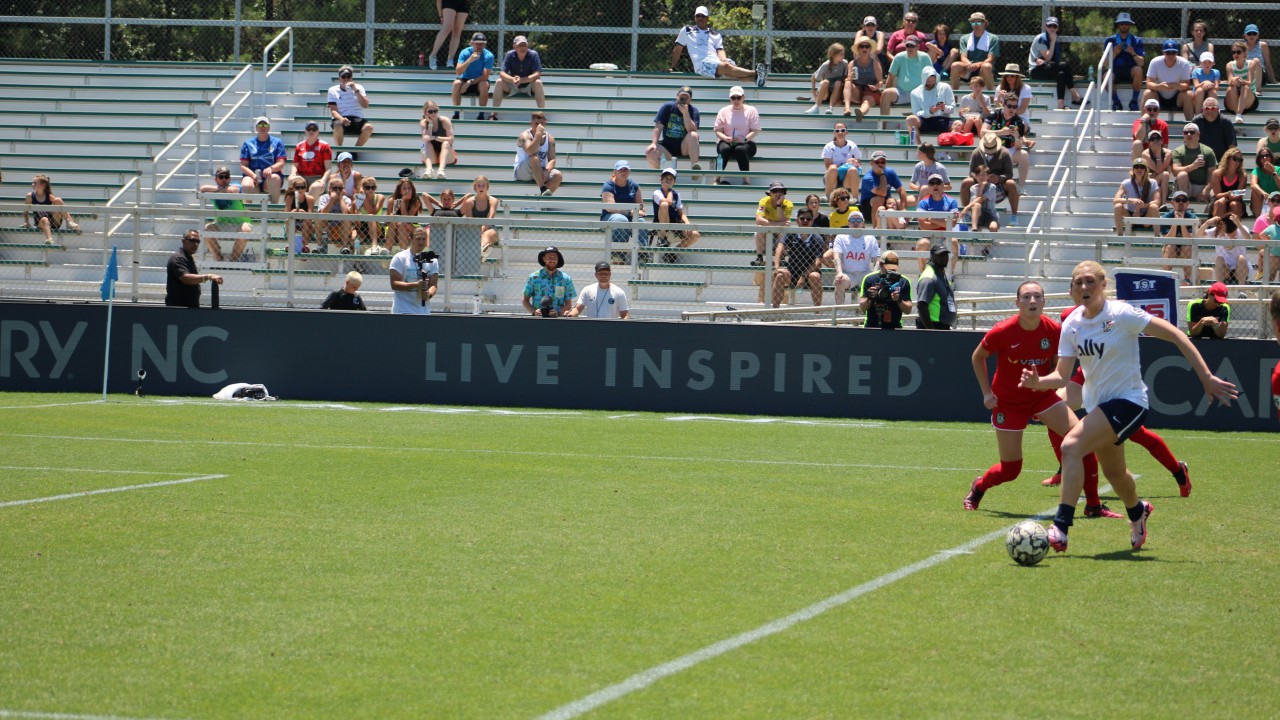
Then came Name, Image, and Likeness rights and not just for football and basketball. Many mid-major soccer players are making substantial NIL money as well. Suddenly, college athletes can monetize their talents, the conversations shift and a mindset changes. Social media followers have became currency. Athletes are thinking like entrepreneurs, which isn't inherently bad, but it fundamentally changed the equation.
The questions shift from "How do we win?" to "How do I build my brand while we win?" Individual success has become not just personally rewarding but financially necessary. The north star that once pointed toward collective achievement now has to account for individual marketability.
We're watching young people navigate pressures that professional athletes struggle with. They're not just student-athletes anymore, they're student-athlete-influencer-entrepreneurs. The weight of that complexity is crushing some of them.
The numbers tell a story that coaches and parents are living daily. Anxiety among young athletes has skyrocketed. The pressure to perform isn't just about winning anymore, it's about being worthy of investment, maintaining relevance, building a following, and securing a future that feels increasingly uncertain.
At Onrise, we see this every day. Athletes reaching out for support with performance anxiety, social media pressure, financial stress, and the overwhelming burden of being "on" all the time. The very connectivity that was supposed to enhance their opportunities has become a source of constant evaluation and comparison. This happens at all level of sport.
The irony is stark: we've given athletes more individual opportunities than ever before, yet rates of depression, anxiety, and burnout continue to climb. When everything becomes about individual achievement, the pressure becomes individual too and that's a heavy load for anyone to carry alone.
But here's what gives me hope: the heart of athletics isn't dead.
Watch a high school cross country team at the state meet. See how the seventh runner cheers for teammates who will score points they never will. Observe a wrestling team where teammates pushing each other toward goals that have nothing to do with social media metrics.
These "lesser" sports or the ones without massive NIL deals and ESPN coverage have become refuges for the original athletic north star. They're where kids still choose sports for the love of competition, the bond of shared struggle, and the joy of being part of something bigger than themselves.
Swimming pools at 5 AM don't care about your Instagram followers. Track workouts don't boost your TikTok engagement. These sports demand everything and offer little external validation, which is exactly why they're producing some of the most grounded, resilient athletes we've ever seen.
We can't turn back the clock on NIL, nor should we. Athletes deserve to benefit from their talents and hard work. But we can be intentional about preserving the elements of athletics that transform lives.
Coaches can emphasize team goals alongside individual achievements. Parents can celebrate effort and character as loudly as they celebrate statistics. Athletic programs can create spaces where the collective still matters more than the individual.
Most importantly, we can acknowledge that this transition is hard. The athletes navigating this new landscape need support and certainly not judgment. They need help processing the pressure, managing the anxiety, and finding their way back to the joy that brought them to sports in the first place. And so do their parents, coaches and athletic staff for that matter.
The north star is still there. It's just harder to see through all the noise. Our job is to help young athletes find it again, not by rejecting the new realities of athletic opportunity, but by grounding those opportunities in the values that make sports transformative.
The heart of athletics beats strongest when individual excellence serves collective purpose. That's still possible I believe. We just have to be more intentional about protecting it.
Kim Quigley, MD, is CEO of Onrise, providing mental health care to athletes across professional and collegiate sports.